SEPECAT Jaguar Archive Home

Category

Technical History

22 articles

Listening First: Electronic Warfare and the RAF Jaguar's Passive Shield

Listening First: Electronic Warfare and the RAF Jaguar's Passive Shield

The Jaguar was never the best-protected aircraft in the RAF's inventory, but its electronic warfare fit was more considered than its bomb-truck reputation allows. This technical history examines the receivers, dispensers and procedures that formed the type's quiet shield.

Cloudbase, Crosswind, Contingency: Flying the Jaguar Through the British Climate

Cloudbase, Crosswind, Contingency: Flying the Jaguar Through the British Climate

British weather was never merely background to RAF Jaguar operations; it shaped approach minima, diversion fuel, runway state and the groundcrew's day. This technical history examines how fog, ice, crosswinds and low cloud were translated into limits, decisions and maintenance burdens across the Jaguar force.

Signed Off in the Air: The Post-Maintenance Test Sortie and the RAF Jaguar

Signed Off in the Air: The Post-Maintenance Test Sortie and the RAF Jaguar

After deep maintenance or a significant rectification, an RAF Jaguar was not returned to squadron duty on paperwork alone. The post-maintenance air test was a short, highly procedural sortie in which engineering evidence met airborne judgement, and in which the responsibility for clearing an aircraft rested on a carefully planned profile. This article examines that unsung gate to serviceability and why it belongs in Jaguar history alongside frontline operations.

Drag as Doctrine: The Braking Parachute in RAF Jaguar Landing Practice

Drag as Doctrine: The Braking Parachute in RAF Jaguar Landing Practice

The Jaguar's tail-mounted braking parachute was not a marginal accessory but a runway-management tool that shaped landing drills, base planning and ground-crew workload. This technical history examines how the installation worked in RAF service and how its traces can still be read in archive photography.

The Contract with the Worst Case: Ejection Seats and Confidence in RAF Jaguar Crews

The Contract with the Worst Case: Ejection Seats and Confidence in RAF Jaguar Crews

RAF Jaguar operations depended on a piece of equipment crews hoped never to use. This technical and human-factors history examines the Martin-Baker seat installation, the drills and pin rituals that surrounded it, and what escape-system stories reveal about confidence, training and squadron culture in the Jaguar force.

The Reach Behind the Probe: Tanking and the RAF Jaguar's Operational Radius

The Reach Behind the Probe: Tanking and the RAF Jaguar's Operational Radius

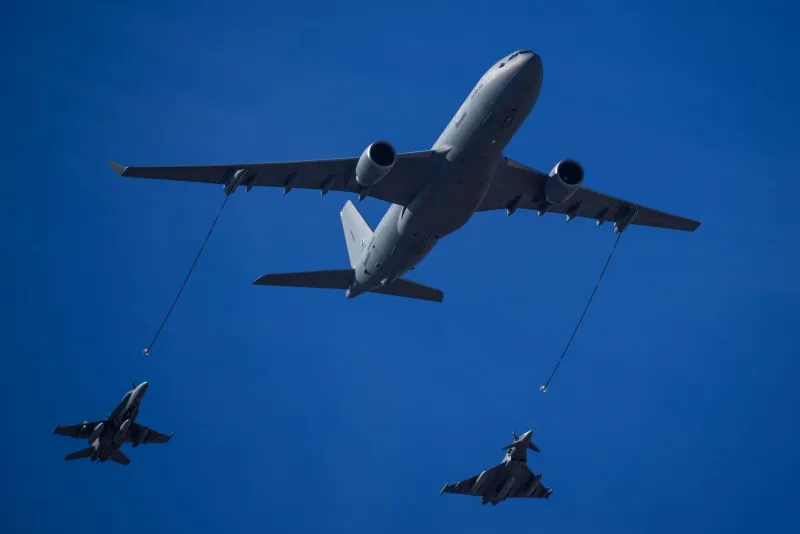
The Jaguar was often called short-legged, yet its operational reach was never fixed by internal fuel alone. This technical history examines the fixed probe, the tanker fleets that supported it and the crew workload that turned air-to-air refuelling from a contingency into routine reach.

Borrowed Parts: Cannibalisation and the Hidden Maintenance Economy of the RAF Jaguar

Borrowed Parts: Cannibalisation and the Hidden Maintenance Economy of the RAF Jaguar

RAF Jaguar sustainment was shaped less by headline performance than by spares scarcity, rotable pooling and the calculated transfer of components between airframes. This technical history examines how cannibalisation, configuration control and depth-level support affected availability and squadron life in the type's final years.

Bases Before Bombs: Infrastructure, Dispersal and the Jaguar Force's European War

Bases Before Bombs: Infrastructure, Dispersal and the Jaguar Force's European War

RAF Germany's Jaguar squadrons are usually assessed through airframe performance and weapons load, yet their wartime plan rested on concrete, camouflage and groundcrew improvisation. This article examines hardened aircraft shelters, runway denial, arrestor gear and mobile support, and asks what surviving airfield evidence can still tell us in 2026.

The Ledger in the Airframe: Fatigue Accounting and the RAF Jaguar's Service Life

The Ledger in the Airframe: Fatigue Accounting and the RAF Jaguar's Service Life

Every RAF Jaguar flew with a second, less visible logbook: the fatigue meter's record of loads, gusts and sorties. This technical history examines how engineers turned those readings into inspections, repairs and fleet decisions, and why the quiet arithmetic of airframe hours shaped squadron availability and the type's eventual retirement.

Two Barrels, One Reputation: The ADEN Cannon in RAF Jaguar Service

Two Barrels, One Reputation: The ADEN Cannon in RAF Jaguar Service

The twin 30 mm ADEN installation is often treated as a footnote to the RAF Jaguar's bomb-load story. Manuals, squadron practice and the gun bay itself suggest otherwise: the cannon shaped how crews flew the aircraft, how ground staff maintained it, and how the type was understood as a strike platform.

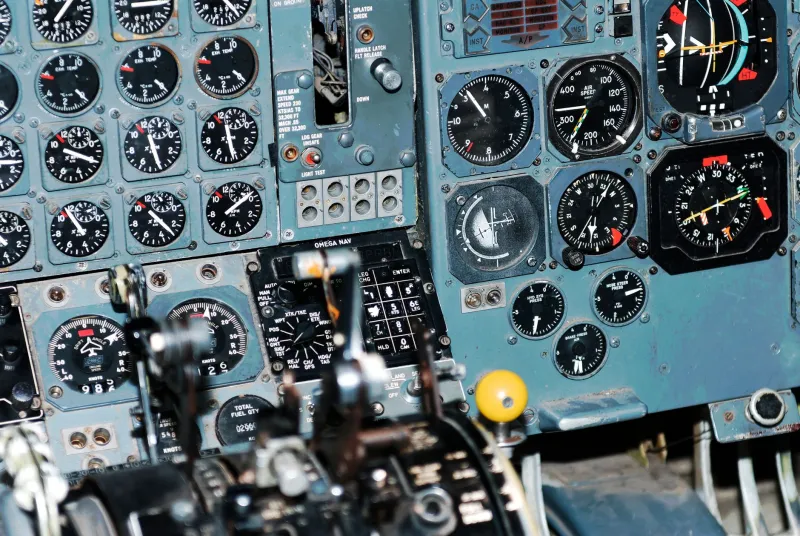
Ground Truth: Synthetic Training and the Making of a RAF Jaguar Crew

Ground Truth: Synthetic Training and the Making of a RAF Jaguar Crew

Before a Jaguar crew flew a low-level sortie for real, they rehearsed it on the ground. This article examines the simulators, cockpit mock-ups and part-task trainers that supported RAF Jaguar training from the 1970s to the 1990s, and assesses how far synthetic instruction could prepare aircrew for the demands of low-level strike and reconnaissance.

The Nose as a Sensor: Rethinking the Jaguar GR1A's Reconnaissance Role

The Nose as a Sensor: Rethinking the Jaguar GR1A's Reconnaissance Role

The Jaguar GR1A's reconnaissance fit is often remembered as a camera installation, but its real significance lay in turning the forward fuselage into an integrated sensor bay. This technical history examines the pallets, windows and crew workflow that made the RAF's recce Jaguars more than strike airframes with a different nose.

The Engine That Set the Tempo: Adour Power and the RAF Jaguar

The Engine That Set the Tempo: Adour Power and the RAF Jaguar

The Rolls-Royce/Turboméca Adour is often treated as a footnote to the SEPECAT Jaguar, yet its reheat behaviour, fuel burn and maintenance demands did much to define how the aircraft was flown and sustained in RAF service. This technical history examines the engine as a shaping influence on low-level handling, range planning and squadron routine.

Systems First: Reappraising the Jaguar Beyond Its Bomb-Truck Reputation

Systems First: Reappraising the Jaguar Beyond Its Bomb-Truck Reputation

The Jaguar is often remembered as a rugged mud-mover, but its real significance lies in the integration of navigation, aiming, engine installation and stores management. This technology feature argues that UK enthusiasts should study the Jaguar as a systems aircraft, not merely a bomb truck.

Five Jaguar Claims That Deserve a Second Look

Five Jaguar Claims That Deserve a Second Look

Enthusiast shorthand often hardens into fact, especially around range, thrust, exports, retirement and maintenance. This corrective but appreciative review tests five familiar Jaguar claims against archival records, squadron experience and technical evidence.

Sand, Sorts and Sidewinders: The Jaguar Force's Road to Granby

Sand, Sorts and Sidewinders: The Jaguar Force's Road to Granby

When Iraq invaded Kuwait in August 1990, the RAF's Jaguar squadrons were still shaped by Cold War low-level attack. This technical history examines the hurried desert preparation, stores fits and maintenance burdens that took the Jaguar GR.1A to the Gulf for Operation Granby.